

Welcome to The Harp Connection!

###Announcement###
Concert-Grand and Semi-Grand Harps
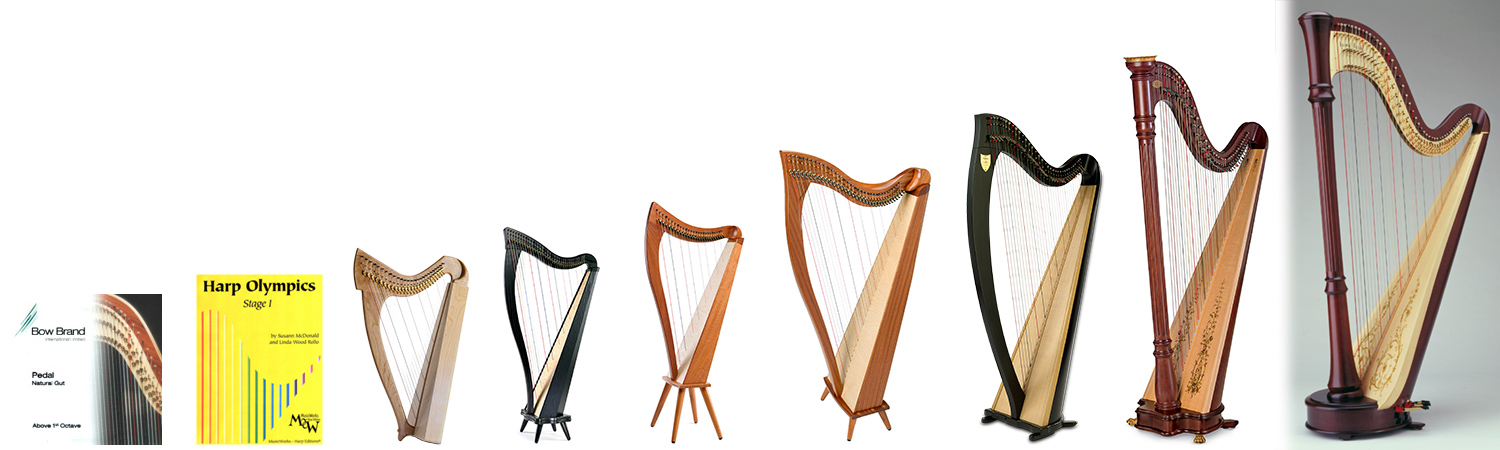
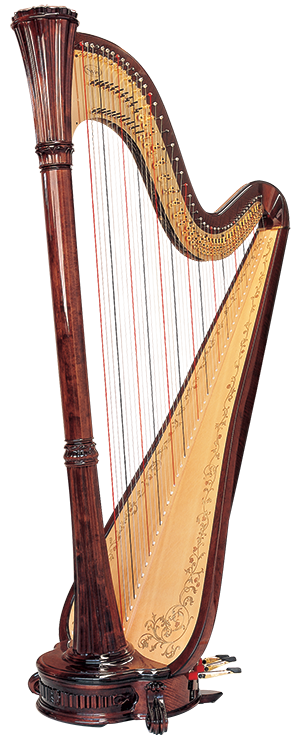
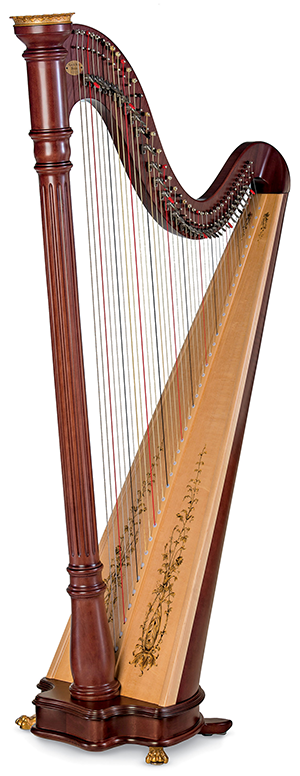
Concert-Grand Pedal Harps and Semi-Grand/Petite Pedal Harps by Lyon & Healy and Salvi are available in our showroom.
Pedal Harps from $11,500*
We stock the Lyon & Healy and Salvi pedal harps right here in our Rowley showroom. We can also work with the factory to get you the exact pedal harp you want.
Check out our current pedal harp inventory.
Classic Lever Harps and Student Pedal Harps
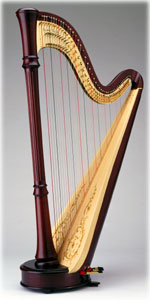
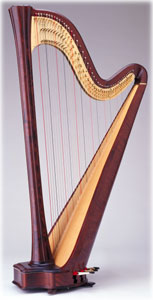
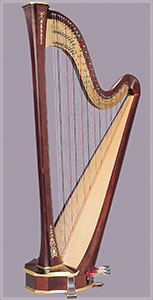
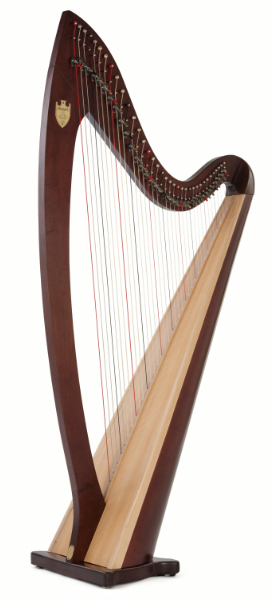
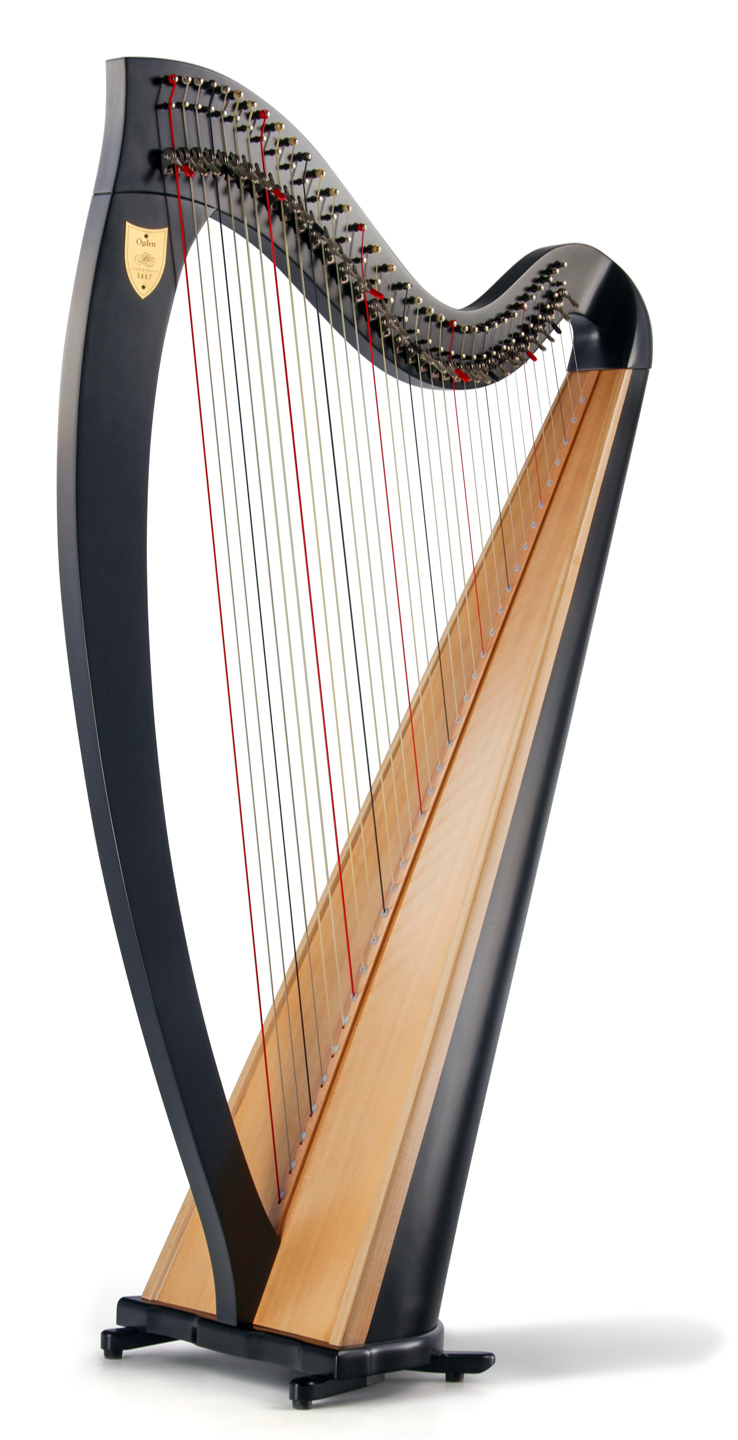
Classic Lever Harps and Student Pedal Harps by Lyon & Healy and Salvi
A Lyon & Healy lever harp is a perfect choice for someone who may go on to pedal harp some day. We rent nationwide.
Classic Lever Harps from $1,700*
The Lyon & Healy Ogden, Troubadour and Prelude are the most popular student harps sold in America. Need a teacher? Check out our Teacher Directory. Your teacher can help you pick the right model for yourself or your child.

Celtic Lever Harps
Celtic Harps by Dusty Strings
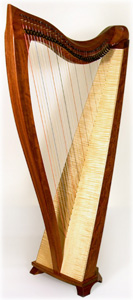
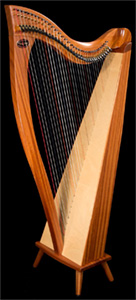
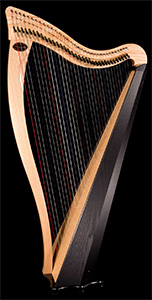
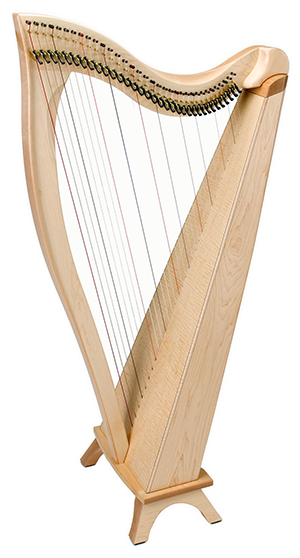
We bring you the best Celtic harps available anywhere, and most are available in our rent-to-own program.
Celtic Lever Harps from $1,244*
Celtic Lever Harps feature a lighter string tension and descend from the Irish harp tradition. You won't find a better selection of Celtic Harps than right here in Rowley, Massachusetts.
Strings and Music?
Harp Strings by Sipario GutGold, Bow Brand, Pirastro and Dusty Strings
Strung out about a broken harp string? Need strings for harp? No problem! Use our Harp String Finder to zero in on the exact strings for your harp, or search by Octave and Material. You can also browse our complete Sipario GutGold Harp String or Bow Brand Harp String selections page-by-page.
We stock strings by Sipario GutGold, Bow Brand, Pirastro, and Dusty Strings, and ship same-day by the economical US Postal Service for direct delivery to your home or studio.
Harp Sheet Music - Browse over one thousand titles in our on-line store!
Our harp sheet music data base can be searched By Title or By Composer-Arranger. Have a particular interest, looking for student pieces, or just like harp music? Our Advanced Music Search engine is for you.
We ship same-day by the economical US Postal Service for direct delivery to your home or studio.
Business Hours: Our business hours vary during the week; please call us for more information.
Harp Showings are by appointment only.
Please call ahead to reserve time in our Harp Showroom or to schedule a Virtual Harp Showing.
Rental paperwork is required for approval before the scheduling of your harp showing.
Shopping On-Line?
Questions, comments, or looking for something special? E-Mail us!
Still looking? View Our Site Map